A Beginner's Guide to UK Rockpool Marine Life
Rockpooling is the cheapest wildlife safari in Britain. All you need is a low tide, grippy shoes and a willingness to crouch until your knees ache. Between the tide lines, a single pool can hold anemones, crabs, fish and seaweeds that look as though they belong on a coral reef. You do not need a boat, a permit or expensive kit. You do need to know what you are looking at, when to go and how to watch without causing damage.
The good news is that the learning curve is short. A rocky shore in Cornwall, Pembrokeshire, Northumberland or the west of Scotland all work in roughly the same way, and the same handful of species turns up again and again. Learn the regulars and the rarities begin to stand out.
Start with the easy ones. On almost any rocky shore, the same cast of characters appears. Learn these and you will soon spot the stranger things hiding among them.
There are also chitons, top shells, sea squirts, sponges, prawns and many kinds of seaweed. The longer you look, the more a single pool divides into small territories: a forest of weed on one side, bare grazed rock on the other, a pocket of sand at the bottom where flatfish and prawns hide. A pool you have already explored for twenty minutes will still surprise you on the twenty-first.
A rocky shore is zoned, and knowing the zones tells you what to expect before you even crouch down. Each band is defined by how long it spends underwater, and every species is adapted to its own slice of that timetable.
Here the rock is black with lichen and only gets splashed by spray. Look for small periwinkles in crevices, barnacles in dense crusts, and chitons clamped tight in cracks. These animals can survive days of drying out, which is why they live where almost nothing else can.
This is the classic rockpool band, exposed on every decent low tide. Mussels and dog whelks cluster here, limpets graze the rock down to pale scars, and bladderwrack hangs in wet, leathery straps with air bladders you can pop between your fingers. Beadlet anemones sit in every shaded crack, closed up and waiting.
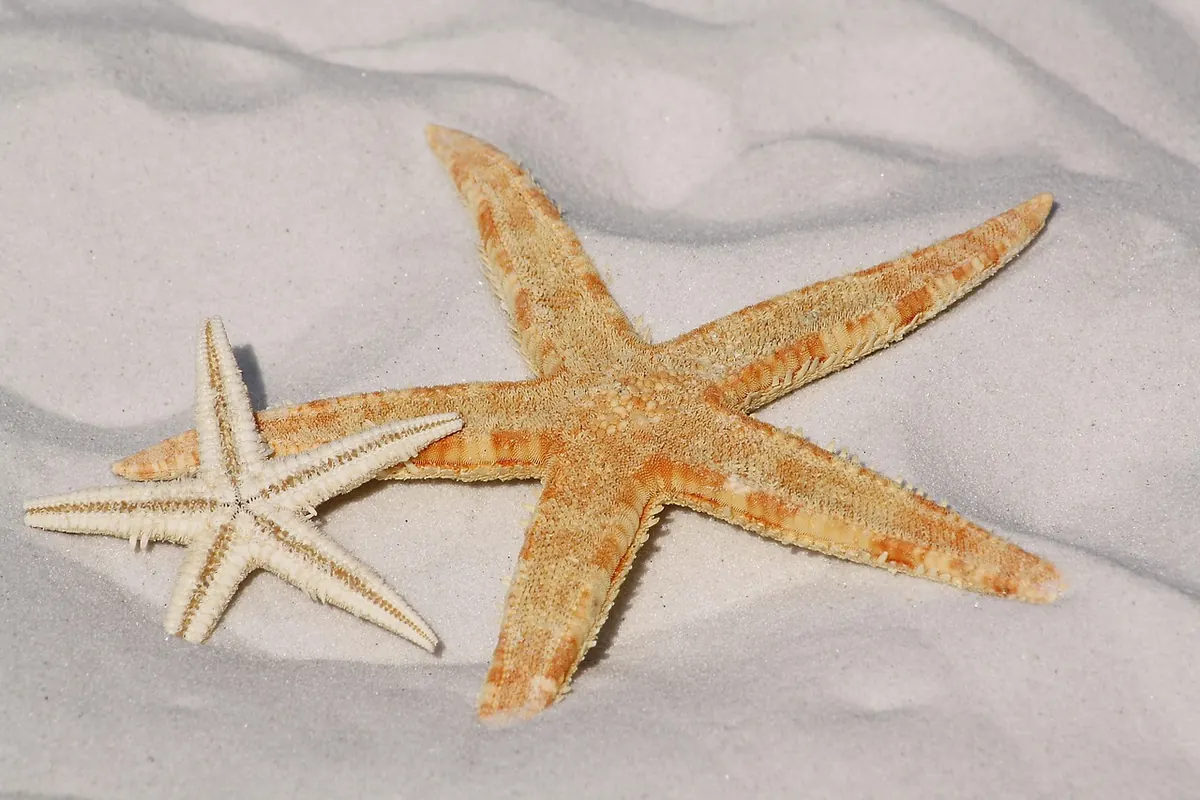
Only uncovered on the lowest spring tides, this is where the reef really shows off. Kelp and oarweed, snakelocks anemones, sponges, sea squirts, hydroids and, on western and northern coasts, sea urchins and starfish. If you find yourself on a big spring tide with calm water, make the most of it, because you will not see this band again for a fortnight.
Do not just scan the surface. Shine a torch under overhangs, where fish hang in the shadows and sponges grow out of the light. Peer into the holdfasts where weed attaches to rock, as that tangle is a nursery for prawns, brittlestars and juvenile crabs. Check the sandy floor at the pool's edge and the wet film just above the waterline, where small snails are grazing. Look, too, at the weed itself: a magnifying glass turns a strand of red seaweed into a forest of tiny animals.
Rockpooling is a tide sport. Check a tide table for your beach the day before and aim to arrive about two hours before low water, then work your way down the shore as the sea retreats. Low water is your moment; start back as soon as the tide turns, because on big spring tides the sea can move faster than you walk.
Pick a calm day. A low tide combined with a large swell or a strong onshore wind is not a beginner's day, whatever the rockpools look like. Wear trainers or approach shoes with real grip rather than wellies, which slip on wet weed and fill with water. Tell someone where you are going and when you will be back, keep a phone in a dry bag, and never turn your back on the sea for long. Watch for that one wave in every set that runs further up the beach than the others. Barnacle-encrusted rock cuts skin easily, jellyfish and weever fish spines sting, and urchin spines break off in fingers, so carry a small first aid kit and keep your hands where you can see them.
A pool can recover from a curious human in minutes, or from a careless one in years. A few habits make all the difference.
A stone is somebody's roof. Lift it gently, look, and put it back exactly as you found it, damp side down.
Once you have the common species nailed, the shore opens up. Sea slugs, or nudibranchs, are the rockpooler's prize: small, absurdly colourful and often found on the seaweed they eat. Sea hares are bigger, softer and can squirt purple ink. Pipefish drift among the weed like upright matchsticks, juvenile flatfish lie half-buried in sand, and brittlestars writhe away from your torch beam on dozens of thin arms. On the south and west coasts, lucky poolers occasionally come across a small curled octopus, and in summer, warm-water visitors such as triggerfish turn up in the south-west. Gentle night rockpooling with a red-filtered torch reveals a completely different shift: prawns, shrimps and hunting crabs that sleep through your daytime visits.
Do that once and you will understand why rockpooling holds people for a lifetime. The equipment costs nothing, the animals are extraordinary, and the best pool is almost always the next one along the shore.
Photo: UBodnar / Pixabay
Previous Post
How to Choose Your First Paddleboard: Inflatable vs Hard Board
Next Post
Wetsuit Thickness Explained: How to Pick the Right mm for UK Waters