Cold-Water Swimming in the UK: A First-Timer's Safety Checklist
The first plunge is the one people remember: the sharp gasp, the sudden weight of the cold, the urge to swim hard for the shore. Cold-water swimming in the UK can be genuinely brilliant — bracing, sociable and oddly calming once you're past the first minute — but our sea, lakes and rivers are colder than most people expect, even in high summer. A little preparation turns a memorable dip into a safe one.
Most of the work happens before you get wet. Check the conditions for the specific spot you're visiting: tide times, wind direction, currents and any local restrictions. Rivers rise fast after rain and can carry debris; reservoirs and some lakes don't allow swimming at all. If you're unsure, ask at a local outdoor shop, harbour office or swimming group.
Never swim alone, especially for your first few dips. Go with someone who knows the venue, or join an organised group. Tell someone at home where you're going and when you expect to be back, and carry a phone in a waterproof pouch.
Sort out your health first, too. Cold water is a shock to the cardiovascular system, and the risk is higher if you have a heart condition, epilepsy, asthma, high or low blood pressure, or have recently had surgery. If any of that applies, speak to your GP before you start. Don't drink alcohol beforehand, and don't swim when you're unwell, exhausted or already very cold.
You can teach your body to handle cold water better, but you can't make it immune. The trick is regular, short, controlled exposure. Start in summer, when the water is at its warmest, and keep your first dips to a few minutes. Come back once or twice a week if you can. As autumn arrives and temperatures fall, keep the same routine but shorten the time in the water.
Breathing is the skill worth practising. The first minute or so of cold immersion often triggers gasping and rapid breathing — that's cold water shock, and it passes. Stand still in shallow water, breathe out slowly through your mouth, and wait for your breathing to settle before you swim anywhere.
A familiar spot helps. Knowing where the bottom shelves, where the current runs and where you can get out safely removes a lot of the guesswork.
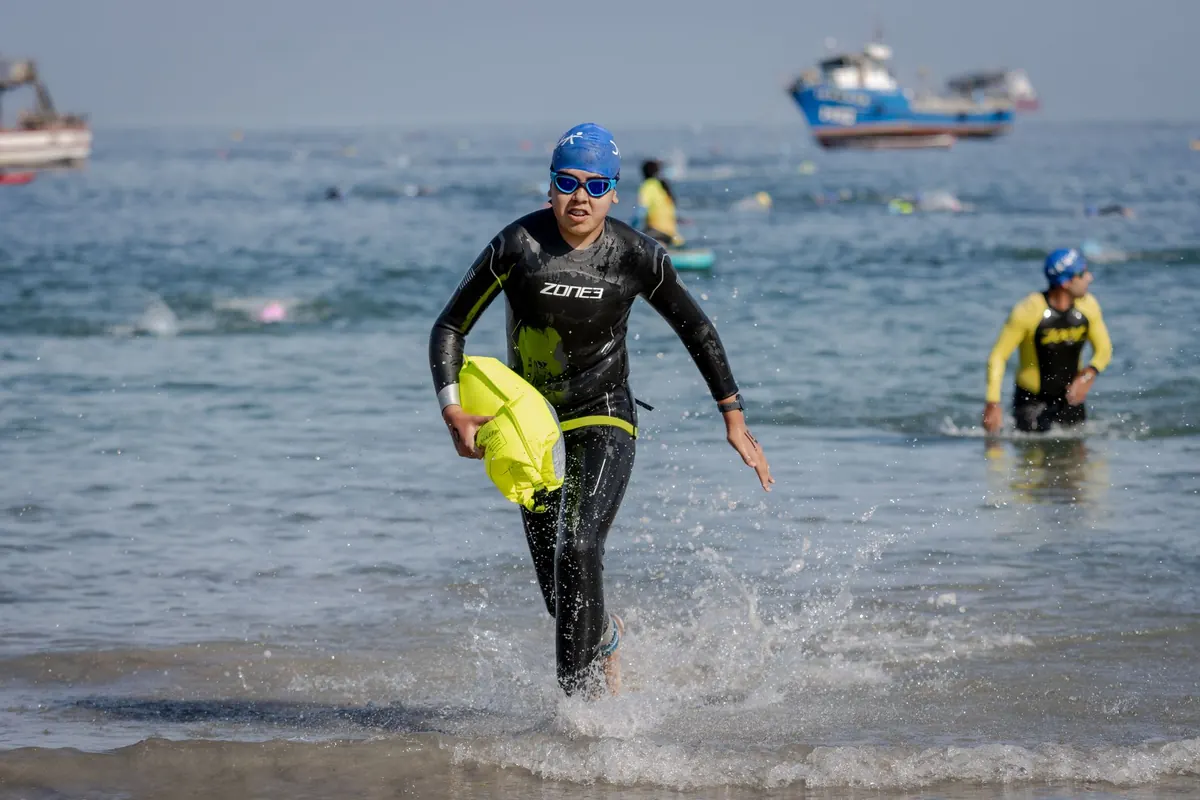
You don't need much, but a few items make a real difference to safety and comfort.
Avoid cotton next to your skin after a dip; it holds water and chills you. Wool or synthetic fleece works far better.
Diving or jumping into cold water is how people get into trouble. Enter slowly and feet first, and keep your head above water until your breathing is under control.
Keep the first swim short — five minutes is plenty. You can always go back for more another day.
Cold water affects judgement before it affects your ability to feel cold. Watch for uncontrollable shivering, numb hands or feet, slurred speech, confusion, cramps, blue lips, or a sudden sense of euphoria. Any of those mean get out now. Cold incapacitation — when your muscles simply stop working properly — can arrive before you feel dangerously cold.
Watch your companions, too. Someone who has gone quiet, is drifting away from the group, or isn't answering is a concern. If someone is in difficulty, don't jump in after them. Call 999 and ask for the coastguard or ambulance, throw them a float or line, and reach with something from the shore if it's safe.
If you have any doubt about your health after a dip, seek medical advice.
Get out before you think you need to, and get dry and dressed quickly, sheltered from the wind. Remove wet kit, dry off, and put on warm layers — hat and socks first if you can. Your core temperature can continue to drop after you leave the water, so shivering may get worse before it gets better. Warm up gradually with a hot drink and food rather than a scalding shower. Don't drive if you're still shivering hard or feeling confused.
Choose a calm, warm day at a shallow, sheltered spot, ideally with lifeguards or a known local group. Take a friend. Aim for five minutes, get out, get warm, and see how you feel. Build from there over weeks, not days. If you have a health condition or you're unsure, check with your GP first, and consider a session with a qualified outdoor swimming coach. The cold is the point — but so is coming out safely, smiling and keen to do it again.
Photo: Pexels / Pixabay
Previous Post
How to Read a Surf Forecast for UK Beaches: A Beginner's Guide
Next Post
How to Choose Your First Paddleboard: Inflatable vs Hard Board